
A quiet EV can make a small knock sound huge. That is why Tesla Model 3 suspension noise complaints often feel more alarming than the same sound in a gas sedan. The motor is quiet, the cabin has less engine cover, and every creak near the wheel well gets a front-row seat. For U.S. drivers dealing with city potholes, steep driveways, winter road salt, and fast freeway ramps, the cause is not always one bad part. Sometimes it is a worn bushing. Sometimes it is brake hardware talking after rain. Sometimes it is a loose fastener that deserves attention right away. Tesla also notes that Model 3 can make normal operating sounds, including brake ticks, parking brake thumps, and cooling-system noises, so diagnosis starts by separating normal EV behavior from repeatable suspension symptoms. Owners comparing repair notes through automotive ownership resources should focus less on panic and more on pattern: when the sound happens, where it comes from, and whether handling changes with it.
Why Model 3 Owners Hear Small Suspension Sounds So Clearly
A Model 3 does not hide road noise the way an engine-powered car does. That changes the whole experience. The sound may be minor, but the setting makes it feel major. Good diagnosis starts with that simple truth because fear leads owners to replace parts before they know what failed.
Tesla Ride Noise Feels Louder Because the Car Is Quiet
Tesla ride noise often stands out at low speed, especially when you crawl over driveway lips or turn into a parking space. In a Camry or Accord, engine vibration and exhaust tone cover part of that sound. In a Model 3, the same click can feel like it came from under your seat.
That does not mean you should ignore it. A repeatable knock from one corner deserves a closer look because suspension loads are not random. If the noise happens at the same speed, same steering angle, or same bump shape, the car is giving you a clue.
Normal EV Sounds Can Trick Your Ear
Tesla says Model 3 can make normal sounds from the parking brake, brake pads, high-voltage battery contactors, coolant pumps, and the climate system. Some of those sounds happen while parked, some while shifting, and some while driving. The owner manual also says its sound guide is not a diagnosis and does not list every possible sound.
That matters because many owners hear a thump, then call it suspension before checking the timing. A parking brake release noise after sitting in cold rain is a different story from a clunk that appears every time the front wheel drops into a pothole. The first may be normal behavior. The second needs a suspension check.
Common Mechanical Causes Behind the Noise
Once normal EV sounds are ruled out, the real hunt begins. The Model 3 front end uses familiar suspension ideas, but the car’s weight, instant torque, and quiet cabin expose wear early. The trick is to match the sound to the condition instead of guessing by forum comment.
Front Suspension Clunk From Links, Bushings, or Mounts
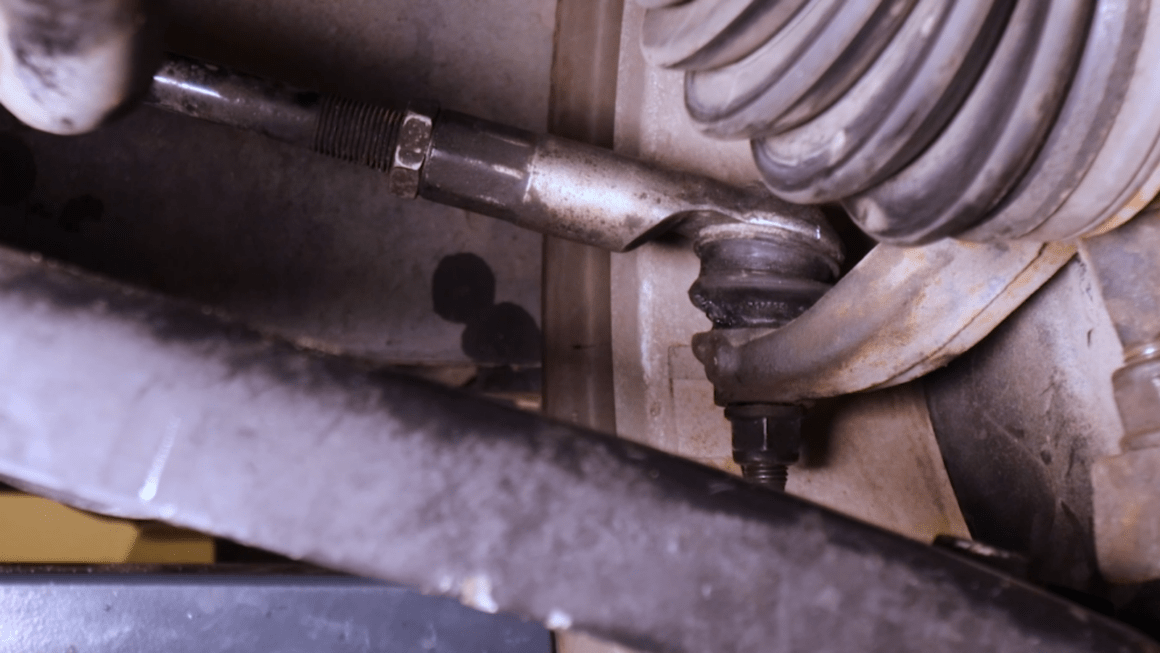
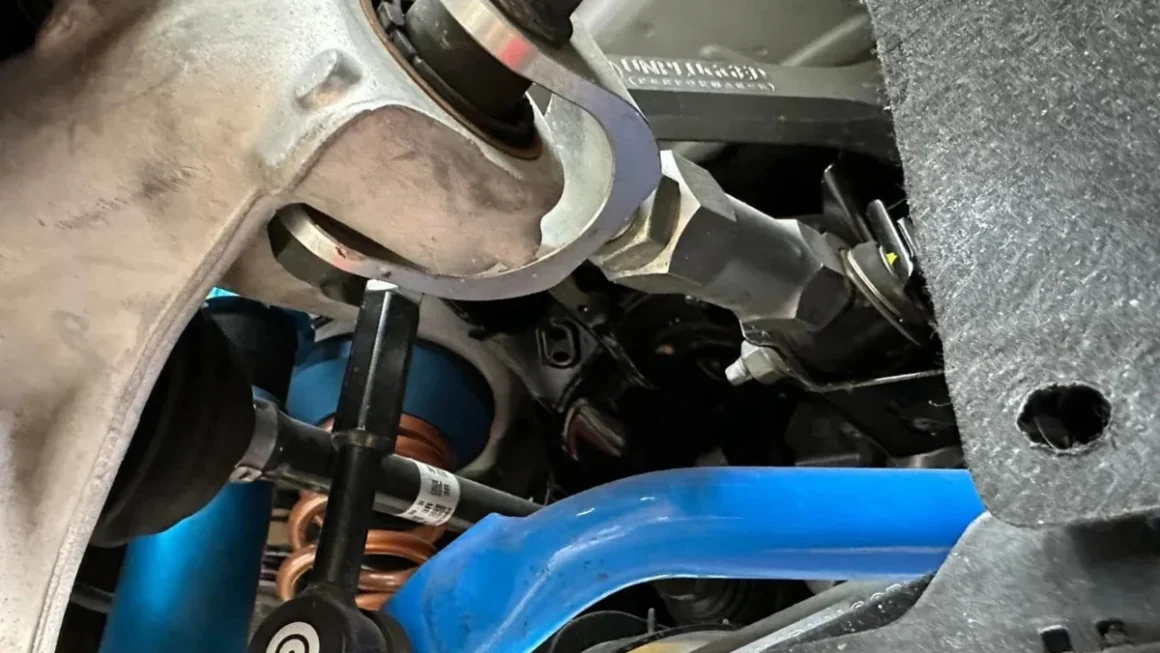
A front suspension clunk usually shows up over broken pavement, speed bumps, or driveway entrances. The sound may come from a sway bar link, lower lateral link, strut mount, ball joint, or worn bushing. A loose underbody panel can mimic the same noise, so a lift inspection beats driveway guessing.
There is also a known safety context for some older cars. NHTSA recall 23V-235 covered 422 select 2018–2019 Model 3 vehicles built from January 5, 2018, through March 30, 2019, due to front suspension lateral link fasteners that could loosen. The recall report said abnormal front suspension noise could be detectable if the fasteners became loose, and a separated lateral link could shift wheel alignment and affect control.
Control Arm Squeak During Slow Turns
A control arm squeak often appears during low-speed steering, parking maneuvers, or driveway turns. It can sound like a dry rubber groan, a chirp, or an old door hinge near the front wheel. The part may still hold alignment, but the noise tells you movement is no longer smooth.
This is where owners make a common mistake. They spray the area, hear the noise fade, and think the problem is solved. That only proves the sound path changed. A worn ball joint boot, dry bushing, or tired control arm still needs proper inspection because the load returns every time the car turns.
How Road Conditions and Maintenance Make the Problem Worse
Suspension parts do not wear in a clean lab. They live under a car that sees potholes, salt, heat, standing water, steep ramps, and heavy tires. Many U.S. owners blame the car first, but the road often has fingerprints on the repair bill.
Potholes and Heavy Wheels Change the Math
A sharp pothole hit sends force through the tire, wheel, hub, links, bushings, and strut. Low-profile tires make that hit harsher because there is less sidewall to absorb impact. Larger wheels may look sharp, but they can make rough city roads feel less forgiving.
The strange part is that damage does not always announce itself the same day. A bushing can tear slightly, a link can begin to move, or alignment can drift. Two weeks later, the car starts tapping over small bumps, and the owner wonders why the sound arrived late.
Tire, Alignment, and Brake Care Still Matter
Tesla recommends rotating tires every 6,250 miles or when tread depth differs by 2/32 inch or more. Tesla also says unbalanced wheels can affect handling, tire life, and steering parts, while alignment service may be needed when tires wear unevenly or the vehicle pulls left or right.
Winter adds another layer. In salted-road areas, Tesla recommends cleaning and lubricating brake calipers every year or 12,500 miles when that service is recommended for the vehicle. Salt-related brake noise can sound like suspension trouble from the driver’s seat, especially after wet parking or cold starts.
When the Sound Becomes a Safety Concern
Noise alone does not always mean danger, but noise plus movement changes the picture. A suspension part can complain before it fails. That warning is useful only if you treat it as information instead of background music.
Model 3 Rattling Sound With Handling Changes
A Model 3 rattling sound becomes more serious when it comes with steering pull, vibration, uneven tire wear, or a loose feeling over bumps. Those signs point beyond cabin trim or brake tick. They suggest the wheel may not be tracking cleanly under load.
The NHTSA recall remedy for the affected 2018–2019 vehicles called for Tesla Service to inspect the front suspension lateral link fasteners, re-torque loose fasteners, and replace damaged parts if needed. Tesla’s report also said it was not aware of crashes, injuries, or deaths tied to that condition at the time of filing.
Record the Pattern Before Booking Service
A clean service request gets better results. Note the speed, road surface, steering angle, weather, and side of the car. Record a short video only when safe, then describe the sound plainly: knock, creak, grind, rattle, chirp, or thud.
Service teams can work faster when the complaint has a pattern. “Noise from front left over speed bumps at 10 mph after rain” is useful. “Car sounds bad” is not. The better your description, the less chance you pay for the wrong repair.
What Owners Should Do Before Replacing Parts
The smartest move is not to buy parts first. It is to isolate the sound. A Model 3 can make harmless EV noises, maintenance-related noises, and true suspension noises from nearby areas. The expensive mistake is treating all three as the same problem.
Check the Simple Things First
Start with tire pressure, tread wear, wheel damage, and loose cargo. A charging adapter rolling in the trunk can sound like a rear suspension knock. A loose aero shield can slap over bumps. A stone stuck near a brake shield can make a sharp scrape that changes with speed.
Then look for repeatability. Turn the wheel while parked, drive slowly over a speed bump, and listen with the windows down in a safe empty lot. A control arm squeak during steering points one way. A front suspension clunk over vertical bumps points another.
Use Recalls, Warranty, and Inspection Together
Owners should check open recalls through the vehicle account, Tesla app, or NHTSA’s recall tools. NHTSA also provides a way to report safety problems and review recall information for U.S. vehicles. That step matters most for older Model 3 cars because some known issues apply only to specific build ranges.
Warranty status also changes the decision. If the car is still covered, schedule service before an outside shop starts replacing parts. If it is out of warranty, a trusted EV-aware suspension shop can inspect bushings, ball joints, links, struts, mounts, brake hardware, and underbody panels before you approve work.
Conclusion
A quiet cabin makes every knock sound personal, but panic is a poor diagnostic tool. The better path is to separate normal Tesla operating sounds from repeatable road-load noises, then connect the pattern to the part. Tesla Model 3 suspension noise complaints deserve attention because some are harmless, some are maintenance related, and some can point toward worn or loose hardware.
The owner who wins is the one who documents the sound before spending money. Write down when it happens. Check tires and alignment clues. Look for brake-related timing after rain or winter salt. Check recalls by VIN. Then book service with a clear description instead of a vague fear.
That approach protects your wallet and your safety at the same time. Listen closely, act early, and make the noise prove what it is before you pay to silence it.
Frequently Asked Questions
Why does my Tesla Model 3 make noise over small bumps?
Small bump noise often comes from links, bushings, strut mounts, loose panels, or brake hardware. The quiet EV cabin makes these sounds easier to hear. A repeatable knock from one corner needs inspection, especially if it grows louder or comes with steering changes.
Is a Tesla Model 3 creaking sound normal when turning?
Some tire or brake creak can be normal after parking, rain, or cold weather. A creak that happens every time you turn at low speed may point to a dry bushing, ball joint, or control arm issue that should be checked.
What causes a front suspension clunk in a Model 3?
A front suspension clunk can come from sway bar links, control arms, lower lateral links, strut mounts, bushings, or loose fasteners. The pattern matters most. Clunks over bumps suggest vertical suspension movement, while clunks during turning point more toward joints or mounts.
Can bad tires make a Tesla ride noise worse?
Uneven tire wear, low pressure, wheel imbalance, and alignment problems can all make road noise harsher. Tesla recommends tire rotation and alignment checks when wear patterns or pulling appear, so tires should be inspected before major suspension parts are blamed.
Is a control arm squeak dangerous on a Tesla Model 3?
A control arm squeak is not automatically dangerous, but it should not be ignored. The sound may come from a worn bushing or ball joint. If the squeak comes with looseness, clunking, steering pull, or uneven tire wear, schedule inspection soon.
Why does my Model 3 rattling sound happen only at low speed?
Low speed makes rattles easier to hear because wind and tire noise are lower. The source may be suspension hardware, brake shields, underbody panels, trunk items, or interior trim. A safe test over the same bump helps narrow the area.
Should I drive my Tesla if the suspension noise gets louder?
A louder noise deserves caution, especially if steering feel changes, the car pulls, or the wheel area feels loose. Avoid hard driving and book service. If the car feels unstable or unsafe, stop driving and arrange towing or professional help.
How do I describe suspension noise to Tesla Service?
Describe the sound, location, speed, road surface, steering angle, weather, and whether it happens hot or cold. A clear note like “front left knock over speed bumps at 10 mph” helps technicians reproduce the problem faster than a broad complaint.