
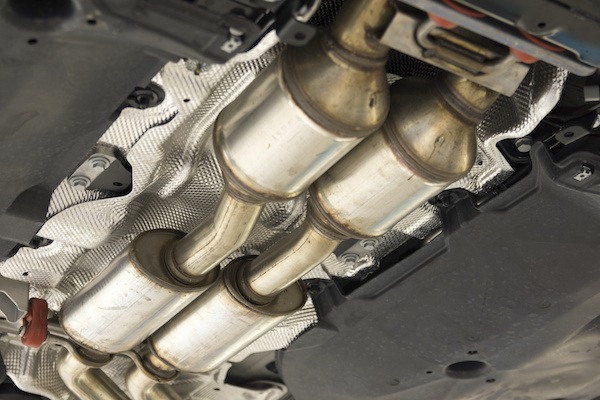
A missing converter does not announce itself politely. One cold start in the driveway, and the engine sounds like a broken lawn mower under your seat. Smart theft prevention methods matter because thieves do not need a long window, a fancy tool kit, or a quiet street to cause a repair bill that ruins your week. California’s Bureau of Automotive Repair warns that skilled thieves can remove a converter in one to two minutes, and replacement can cost thousands depending on the vehicle.
For U.S. drivers, this is not only a city problem or a Prius problem. Trucks, SUVs, hybrids, fleet vans, RVs, and older sedans all carry different risk. That is why owners who follow trusted automotive safety resources and treat prevention as part of normal car care usually make better decisions than people who wait for a crime report next door. A converter is small, exposed, and valuable enough to tempt fast theft. Your job is not to make theft impossible. Your job is to make your vehicle slow, noisy, risky, and easy to trace.
Theft Prevention Methods That Match Real Vehicle Risk
Good prevention starts with an honest look at your vehicle, not a random gadget from an online listing. A Toyota Prius parked in a shared apartment lot faces a different threat than a Ford F-250 parked beside a rural workshop. The mistake many owners make is buying one part and calling the job finished.
Why high-clearance vehicles attract faster cuts
High-clearance vehicles give thieves room to slide underneath without lifting the frame. Pickup trucks, delivery vans, and many SUVs allow quick access to the exhaust path, which cuts the time and noise needed to reach the converter. That extra ground clearance feels useful on rough roads, but it also gives a thief working space.
A common example is a contractor’s truck parked overnight near a job site in Texas or Arizona. Tools may be locked inside, but the converter sits underneath with no door, no alarm contact, and no witness after dark. The owner may never notice risk because the truck feels tough. That toughness does not protect the exhaust.
The unexpected part is that some low vehicles stay safer for boring reasons. A thief who must jack up a car, crawl under awkwardly, and fight a tight angle may pass it for an easier target. Prevention begins with making your vehicle feel like that kind of target.
How hybrid models create a different problem
Hybrid vehicles often draw attention because their converters can remain in cleaner condition than converters on gas-only vehicles. Less engine run time can mean less wear inside the emissions part, which may make the unit more attractive to illegal buyers. That does not mean every hybrid gets targeted, but it does change the risk math.
A catalytic converter shield often makes the most sense on these vehicles because it blocks direct access to the part. A driver in Los Angeles with a street-parked Prius, for example, may gain more from a fitted metal plate than from another blinking dash light. The thief wants speed, and a plate steals time.
Owners should avoid cheap covers that rattle, trap heat poorly, or hide needed identifying marks. California’s repair guidance says protective plates, shields, clamps, cages, straps, or related devices should be installed in a way that avoids converter damage and keeps identifying information visible.
Physical Barriers That Make Theft Too Slow
A thief under a vehicle is not browsing. He is making a snap decision under pressure. Physical barriers work because they turn a fast cut into a messy job with more noise, more sparks, and more time exposed to cameras, lights, dogs, neighbors, or patrols.
When a catalytic converter shield earns its cost
A catalytic converter shield earns its cost when the vehicle has known access risk, regular outdoor parking, or a replacement part that costs far more than the shield. The best shields fit the vehicle frame, use tamper-resistant hardware, and leave enough airflow for safe operation. A loose sheet of metal is not protection. It is a future rattle.
The real value comes from delay. A thief who planned on two quick cuts now faces bolts, plates, odd angles, and more time under the car. That does not promise safety, but it changes the target. Most theft crews are not looking for a project.
Drivers should ask the installer one plain question: can this device affect emissions inspection, heat control, or service access? A good shop will answer without drama. A poor shop will treat the shield like a decoration. Choose the first shop.
Why cages, clamps, and straps fit some vehicles better
Cages, clamps, and straps can work well where a full plate does not fit cleanly. Older trucks, lifted SUVs, and certain fleet vans may need a custom approach because the converter sits in a layout that does not match common shield kits. The right answer is the one that blocks the cutting path without damaging the exhaust.
A work van fleet in Chicago, for example, may use welded or bolted protective systems designed around repeated parking in the same yard. A family minivan in Ohio may need a lighter clamp-style device because it spends most nights in a driveway. Same crime. Different setup.
The quiet truth is that protection should not look dramatic. Strong hardware often looks dull from the outside, and that is fine. The thief sees resistance underneath, which is the only audience that matters.
Marking, Parking, and Alarm Habits That Add Pressure
Hardware is only one layer. Marking and parking habits add pressure before the thief ever touches the car. They also help police, repair shops, and scrap dealers tell the difference between a normal part and a stolen one.
How VIN etching changes the resale risk
VIN etching gives a stolen converter an identity. It does not stop a saw blade, but it makes the part harder to move through a reputable buyer. The National Insurance Crime Bureau has supported VIN etching events because marking can help deter theft and help law enforcement track parts.
Some states have pushed this idea into law. California’s 2024 rules include dealer marking requirements in many cases and penalties tied to altered or removed converter markings. The state also created offenses around possession of multiple cut converters under certain conditions.
VIN etching works best when paired with bright high-heat paint and documentation photos. Take a clear picture after marking, save the receipt, and keep the image with your insurance files. A mark nobody can prove is weaker than a mark with a record.
Where you park can matter more than the device
Parking near light, people, and building entrances sounds ordinary because it is. It also works. NHTSA advises drivers to park in well-lit, busy areas and consider anti-theft systems such as locks or tracking devices when the vehicle lacks strong security features.
Driveway parking deserves more thought than most owners give it. Motion lights should aim low enough to catch movement near the vehicle, not only faces at the porch. Cameras should cover the side where someone would crawl under, not only the license plate. A clear view of shoes and tools can matter more than a blurry face.
Street parking calls for a different habit. Park with the converter side closer to a curb, wall, fence, or high-traffic path when possible. A thief wants space to work. Tight angles and public exposure make the job less appealing.
Vehicle-Specific Plans for Daily Drivers, Fleets, and Stored Cars
No single setup fits every vehicle because the best plan follows how the vehicle lives. A daily commuter, a church van, a plumbing truck, and an RV stored for winter face different theft windows. Good protection respects the schedule as much as the machine.
What daily drivers should do first
Daily drivers need a simple first layer: know where the converter sits, photograph it, mark it, and change parking habits before buying expensive hardware. That order matters because owners often spend money before they understand the weak point. A five-minute inspection at a muffler shop can prevent that mistake.
For many sedans and crossovers, VIN etching plus safer parking may lower risk enough for normal use. For high-risk models, add a shield. For vehicles parked in apartment lots, ask management about cameras, lighting, and assigned spaces near visible areas. A private fix works better when the property supports it.
Insurance belongs in this plan too. Stolen converters are often handled under comprehensive coverage, not collision. The deductible can decide whether a claim helps or hurts. Call the insurer before the theft, not after the tow truck arrives.
Why fleets need routines, not one-time fixes
Fleet vehicles create patterns. The same vans park in the same lot, at the same hours, with the same blind spots. Thieves notice patterns because patterns save them time. A fleet owner who installs devices but ignores parking layout has solved only half the problem.
A small delivery company in Atlanta might rotate high-clearance vans closer to cameras, add shields to the most exposed vehicles, and require drivers to report new exhaust noise before leaving the lot. That last step matters. A stolen converter can damage operations for a full morning if the driver discovers it after loading.
Stored cars and RVs need a different layer. Long gaps between starts give thieves more chances and owners fewer clues. Use locked storage when possible, park low-clearance barriers near exposed sides, and ask someone to check the vehicle during long absences. Silence helps thieves. Routine breaks that silence.
The hard lesson is simple: prevention is not one product. It is a small system that makes your vehicle a poor choice.
Conclusion
Converter protection is moving from an optional upgrade to ordinary vehicle care. That shift makes sense because theft crews look for weak habits first: dark lots, repeated parking patterns, exposed trucks, unmarked parts, and owners who never check underneath. Strong theft prevention methods do not need to turn your driveway into a fortress. They need to make the next vehicle look easier than yours.
The smartest plan begins with risk. High-clearance truck? Add a barrier. Hybrid parked outside? Price a fitted shield. Apartment lot? Push for light and camera coverage. Fleet yard? Build a routine and make drivers part of it. Any vehicle can benefit from marking, photos, and better parking choices.
The worst move is waiting until the engine roars and the repair shop gives you the number. Walk outside today, look under the vehicle, and choose one layer you can add before the next nightfall.
Frequently Asked Questions
What is the best way to stop catalytic converter theft on a truck?
A fitted shield, cage, or clamp system usually gives trucks the strongest first layer because high ground clearance makes access easier. Add VIN etching, motion lighting, and tighter parking near walls or cameras. Trucks need delay, exposure, and traceability working together.
Does VIN etching actually prevent catalytic converter theft?
VIN etching can deter theft because it makes the part easier to identify and harder to sell through honest channels. It works best with high-heat paint and clear photos. Etching alone is weaker than etching paired with a shield or smart parking.
Are catalytic converter shields worth the money?
A shield is worth considering when your vehicle is commonly targeted, parked outside, or expensive to repair. The value comes from slowing the thief and adding noise to the job. Choose a proper fit over a cheap universal plate that rattles or traps heat.
Which vehicles are most at risk for converter theft?
High-clearance trucks, SUVs, vans, and certain hybrids often face higher risk because the converter may be easier to reach or more attractive for resale. Local theft patterns matter too. A muffler shop or police department may know which models get hit nearby.
Can I drive after my catalytic converter is stolen?
You may be able to move the car a short distance, but driving without a converter is loud, unsafe for emissions compliance, and can cause other problems. Report the theft, contact insurance, and arrange repair. The EPA states that removing a converter without approved replacement is illegal tampering under federal law.
Will car insurance cover a stolen catalytic converter?
Comprehensive coverage often applies to stolen auto parts, but your deductible and policy terms decide the real value of the claim. Call your insurer before choosing a repair path. Keep photos, police reports, shop estimates, and any proof of VIN marking.
How can apartment residents protect a vehicle from converter theft?
Park near lights, building entrances, cameras, or busy foot traffic whenever possible. Ask property management for better lighting or camera angles near parking rows. Add VIN etching and consider a shield if your vehicle sits outside every night.
Should I install an alarm for catalytic converter protection?
An alarm can help when it detects vibration or tilt near the exhaust area. It should not replace a physical barrier, though. The best setup combines a sensitive alarm, visible lighting, smart parking, and a shield or clamp where vehicle risk is high.