
A small spray pattern problem can make a perfectly good engine feel tired, thirsty, and uneven. Many drivers first notice fuel injector symptoms during an ordinary commute: a shaky stoplight idle, a lazy merge onto the freeway, or a gas gauge that drops faster than it should. That is why smart vehicle care starts before the engine light becomes a constant guest on the dash. For readers comparing repair advice, service options, or automotive maintenance resources, the real issue is knowing when the fuel system is quietly stealing performance. In many U.S. cars and trucks, clogged injectors do not fail in one dramatic moment. They fade. Deposits build around the nozzle, fuel delivery gets uneven, and the engine control system tries to correct the mess with more fuel, less timing, or both. The result feels like bad gas, old spark plugs, or a weak battery until the pattern becomes too obvious to ignore.
Fuel Injector Symptoms That Point to More Than Bad Gas
A single rough drive after filling up can be a fluke, but a pattern across several trips deserves attention. Fuel delivery problems often show up as small changes before they become repair-shop problems, and that early stage is where drivers save the most money.
Rough idle when the engine is warm
A rough idle often tells you more after the engine reaches normal temperature than it does during a cold start. Cold engines already run richer, so a partially blocked injector may hide behind extra fuel for the first few minutes. Once the system leans out, the weak cylinder starts to reveal itself.
You may feel the steering wheel tremble at a stoplight, hear the exhaust pulse unevenly, or notice the tachometer hunting instead of sitting steady. In a 10-year-old pickup in Michigan or a compact sedan in Arizona, the feeling can be similar: the engine is running, but it does not feel settled.
The counterintuitive part is that the worst injector is not always dead. A weak spray pattern can cause more irritation than a full failure because the engine keeps trying to correct it. That constant correction makes the idle feel inconsistent instead of obviously broken.
Hesitation when you ask for power
Poor acceleration often starts as a pause, not a total loss of speed. You press the pedal, the car thinks for half a second, then it pulls. That delay can feel harmless in a parking lot, but it becomes serious when you merge onto I-95, climb a long grade, or pass a slow truck on a two-lane road.
A clogged injector can leave one cylinder lean while the others receive enough fuel. The computer may add fuel to compensate, but it cannot clean the blocked nozzle through software. That is why the car can feel fine at gentle throttle yet stumble when you ask for more.
Drivers often blame the transmission because the delay happens during acceleration. Fair enough. But if the engine note sounds uneven before the shift, or the power feels choppy instead of smooth, the fuel system belongs on the suspect list.
How Clogged Injectors Steal Miles From Every Tank
Performance problems get your attention, but lost mileage quietly drains your wallet. The ugly part is that many drivers adapt to the loss. They fill up a little sooner, blame traffic, and never connect the habit to a fuel delivery issue.
Why fuel economy drops before the engine light appears
Fuel economy can fall before any warning light turns on because the engine computer has room to adjust. It reads oxygen sensor data, sees the mixture drift, and changes fuel trim to keep combustion within a workable range. That range keeps the car moving, but it does not mean the engine is running clean.
A driver in suburban Dallas might notice the same commute takes an extra gallon across the week. Someone in New Jersey may see winter fuel and short trips take the blame. Those factors matter, but a clogged injector adds another hidden tax because the engine burns less cleanly and corrects more often.
Here is the part people miss: a blocked injector can make the system add fuel overall even when one cylinder is lean. The computer does not always know the nozzle pattern is wrong. It sees the exhaust result and reacts, which can waste fuel while failing to fix the original problem.
Why short trips make injector deposits worse
Short trips are hard on injectors because the engine spends more time warming up and less time running at steady temperature. Many U.S. drivers live this pattern every day: school drop-off, a five-minute grocery run, then a short ride home. The engine never gets a long, stable operating window.
Deposits tend to become more noticeable when fuel evaporates near hot injector tips after shutdown. Over time, those deposits can affect the spray shape. The injector may still open and close, but the mist becomes uneven enough to change combustion quality.
This is why a car with low annual miles can still develop fuel system complaints. Low mileage feels protective, but repeated short cycles can be rough on parts that prefer heat, flow, and consistency. Garage-kept does not always mean fuel-system healthy.
Separating Injector Trouble From Spark, Air, and Sensor Problems
A smart diagnosis does not fall in love with the first theory. Engine problems overlap, and guessing can turn one repair into three. The goal is to read the pattern before buying parts.
Engine misfire clues that narrow the search
An engine misfire can come from spark, compression, air, or fuel. That is why the first step is not shouting “injector” at the car. The pattern matters. A misfire that follows one cylinder, appears under load, and comes with lean fuel trim can point toward fuel delivery.
Spark plugs still deserve inspection because they give honest evidence. A plug from a lean cylinder may look pale or cleaner than the others. A plug from an over-fueled cylinder may look dark or fuel-wet. Those visual clues help separate a fuel issue from a coil, wire, or plug problem.
A scan tool adds another layer. If the same cylinder keeps logging misfires after a coil swap, the injector moves higher on the list. That is the kind of calm testing that saves money. Parts-store guessing feels fast until the bill grows teeth.
When bad sensors imitate fuel problems
Airflow sensors, oxygen sensors, vacuum leaks, and weak fuel pumps can all imitate injector trouble. A dirty mass airflow sensor may report the wrong air volume. A vacuum leak may create a lean condition that looks like poor fuel delivery. A weak pump may starve every injector at once.
The difference often shows up in scope and timing. One weak cylinder suggests a local problem, while all cylinders running lean may point to air leaks, fuel pressure, or sensor data. A clogged single injector behaves like one bad musician in a band. A weak pump makes the whole band lose tempo.
This is where professional testing earns its keep. A shop can check fuel pressure, injector balance, scan data, and sometimes injector pulse patterns. That process costs money, but it often costs less than replacing clean parts around a dirty nozzle.
Cleaning, Repair, and Prevention Without Wasting Money
The right fix depends on how bad the blockage is and what caused it. Some injectors respond to cleaning. Others need removal, testing, or replacement. The trick is not treating every case with the same bottle from the shelf.
When cleaner helps and when it does not
Fuel system cleaner can help mild deposit problems, especially when the injector still flows well enough to improve with detergent and normal driving. A quality cleaner added to the tank may smooth a light rough idle or soften mild hesitation over time. It is not magic, but it can be useful maintenance.
Severe blockage needs more than a bottle. If the spray pattern is badly distorted, professional on-car cleaning or bench service may be needed. Some direct-injection engines also face intake valve deposits, which fuel additives cannot wash because fuel does not pass over the valves.
The honest rule is simple: cleaners belong early, not late. Once poor acceleration, repeated misfire codes, and heavy fuel smell show up together, the problem has moved beyond casual maintenance. At that point, testing beats hope.
Building habits that keep injectors cleaner
Good fuel habits do not need to be fancy. Buying from busy stations helps because their fuel turns over faster. Keeping the tank from sitting near empty reduces the chance of pulling sediment or moisture from the bottom. Following service intervals keeps air and ignition issues from making fuel problems worse.
Your driving pattern matters too. A weekly longer drive can help the engine spend time at full operating temperature. That does not mean beating on the car. It means giving the system enough steady heat and flow to work the way it was designed.
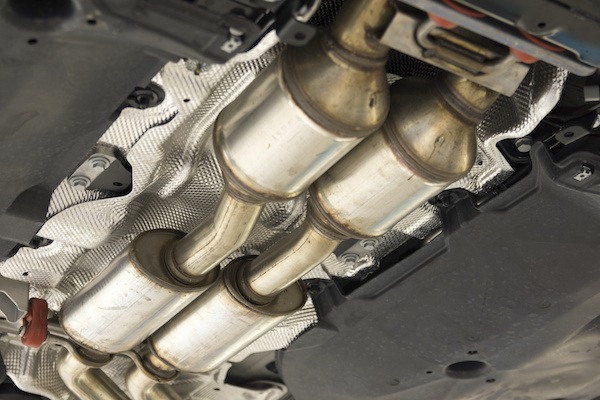
For deeper ownership planning, pair fuel care with related checks like spark plug condition, air filter service, and basic engine diagnostics. A clogged injector rarely lives alone forever. Left untreated, it can stress the catalytic converter, foul a plug, and turn a small fuel issue into a repair chain.
Conclusion
A car does not need to break down to tell you something is wrong. It may shake at idle, hesitate under throttle, or burn more gas while still getting you to work every morning. That gray area is where many drivers lose money because the vehicle feels usable enough to ignore.
The best response to fuel injector symptoms is not panic. It is pattern recognition. Watch how the engine behaves warm, under load, and across several tanks of fuel. Check the basics before buying parts, and get proper testing when the same problem keeps returning. Clean fuel delivery protects power, mileage, and the expensive parts downstream.
Treat the first signs as useful information, not background noise. Schedule a fuel-system inspection before a small spray problem turns your daily driver into a rolling repair bill.
Frequently Asked Questions
What are the first signs of a clogged fuel injector?
A shaky idle, weak throttle response, lower mileage, and uneven engine sound are common early signs. The car may still start and drive, which makes the issue easy to overlook. Repeated hesitation or one-cylinder misfire codes deserve closer fuel-system testing.
Can a clogged injector cause rough idle only at stoplights?
Yes, a blocked or poorly spraying injector can show up most clearly at idle. At stoplights, the engine has less momentum to hide uneven combustion. If the shaking fades during cruising, the injector, spark plug, or coil for one cylinder may need inspection.
Will fuel injector cleaner fix poor acceleration?
Cleaner can help mild deposits, but it cannot repair a damaged injector, weak fuel pump, or electrical fault. If acceleration improves after one treatment, keep watching the pattern. If hesitation returns, get fuel pressure and injector performance checked.
How long can I drive with an engine misfire from fuel trouble?
Driving with a misfire can damage the catalytic converter and foul spark plugs, so it should not be ignored. Short emergency driving may be unavoidable, but regular use is risky. A flashing check engine light means stop driving and arrange service.
Why does my car use more gas when an injector is clogged?
The engine computer may add fuel to correct poor combustion readings. That extra fuel can lower mileage while failing to fix the blocked spray pattern. You may fill up more often even though your route, speed, and driving habits have not changed.
Can bad gas feel like a clogged injector?
Bad gas can cause hesitation, rough running, and poor mileage, so the symptoms can overlap. The difference is timing. Bad fuel often appears soon after a fill-up, while injector deposits usually build slowly and repeat across different tanks.
Should I replace one injector or the whole set?
One injector may be enough if testing proves only one unit is weak. Older high-mileage vehicles sometimes benefit from a matched set, especially when several injectors show poor flow. The best choice depends on test results, engine design, and repair cost.
How can I prevent clogged injectors in a daily driver?
Use quality fuel, avoid long periods near empty, replace air and fuel filters where applicable, and address misfires early. A weekly longer drive can also help the engine reach stable operating temperature. Prevention works best when fuel, spark, and air systems stay healthy together.