
A hidden part buried behind the front of your engine can decide whether your car runs for years or leaves you stranded without warning. That is why timing chain versus timing belt confusion matters for everyday drivers, not only mechanics. Both parts keep the crankshaft and camshaft moving in sync, so the valves and pistons do not turn into expensive enemies. For USA drivers comparing used cars, planning maintenance, or reading repair estimates, this difference can change the real cost of ownership. A used SUV that looks cheap on Facebook Marketplace may need a belt service soon, while another car may carry a chain that lasts longer but makes ugly noise when oil care slips. Good automotive ownership guidance helps you see past the sales pitch and ask better questions before money leaves your pocket. The simple truth is this: belts are planned-maintenance parts, chains are long-life parts with less forgiveness for neglect. Neither one is perfect. The smarter choice depends on the engine, service records, mileage, and how long you plan to keep the vehicle.
Timing Chain Versus Timing Belt Starts With How Each Part Works
The easiest way to understand the difference is to stop thinking about the part itself and look at the job it performs. Your engine is a timed machine. Pistons move up and down, valves open and close, fuel burns, exhaust leaves, and every motion must happen at the right moment. When that rhythm slips, the engine does not “run a little rough” forever. It starts warning you, losing power, or in bad cases, breaking parts inside the cylinder head.
Why Engine Timing Components Must Stay in Sync
Engine timing components connect the crankshaft to the camshaft, so the lower half and upper half of the engine agree on timing. The crankshaft follows piston movement. The camshaft controls the valves. If these two shafts drift out of step, combustion becomes messy and mechanical clearance gets risky.
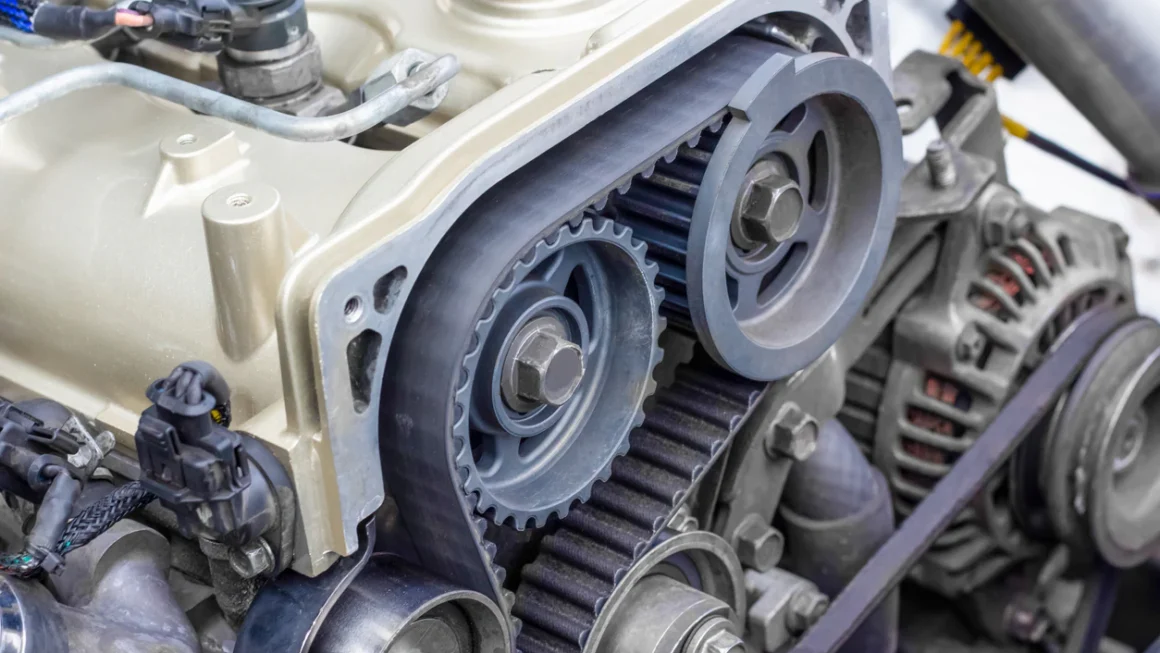
A timing belt usually uses reinforced rubber with molded teeth. It runs outside the engine oil area and grips pulleys with precision. A timing chain uses metal links, runs inside the engine, and depends on oil pressure, guides, and tensioners to stay tight. That sounds like the chain wins without a fight, but ownership is not that simple.
A belt may look weaker, yet it gives clear service planning. Many manufacturers publish mileage and age limits, so you know when to budget. A chain feels more permanent, but when its tensioner, guide, or oil-fed system wears, diagnosis can become harder and repair bills can climb.
How Belts and Chains Control Valve Timing
A belt controls timing quietly because rubber absorbs sound. That is one reason many smaller passenger cars used belts for years. The ride feels smoother, the engine bay sounds cleaner, and the part costs less to produce. For many commuters, that quiet operation feels like quality until the service interval arrives.
A chain controls timing with metal strength. It can handle heat, load, and long mileage better when the engine receives clean oil on time. Pickup trucks, larger SUVs, and many newer engines often use chains because buyers expect long service life and lower scheduled maintenance.
The unexpected truth is that a chain can punish poor maintenance faster than a belt in some engines. Dirty oil can starve small passages, weaken hydraulic tensioner action, and let the chain slap against guides. A belt does not depend on engine oil in the same way, so neglect shows up through age, cracks, or mileage rather than sludge.
Belt Replacement Costs Are Easier to Predict Than Chain Repair Bills
Drivers often ask which one is cheaper, but the better question is which cost you can see coming. A timing belt usually has a known service window. A chain often has no set replacement mileage, yet it can cost more when it finally needs attention. That difference changes how you should read a repair estimate, especially on a used vehicle with 90,000 to 150,000 miles.
Why Timing Belt Replacement Belongs on the Calendar
Timing belt replacement should never be treated like an optional tune-up. On many engines, the belt also sits near the water pump, idler pulleys, and tensioner. A careful shop often recommends replacing those parts together because the labor overlaps. Paying once for access usually beats opening the same area twice.
A Honda Odyssey, Toyota Camry V6, older Subaru, or similar family vehicle can look dependable on paper while still needing a belt service soon. That does not make it a bad buy. It means the price should reflect the work. A seller saying “runs great” does not erase a missing belt receipt.
Age matters as much as mileage. A low-mileage car that sat in Phoenix heat or Northeast cold can still have a belt that aged out. Rubber does not care that the odometer looks friendly. Time keeps working while the car sits in the driveway.
Why Chain Repairs Can Feel Like a Surprise
A chain usually does not have a neat replacement sticker under the hood. Many owners hear “chain” and assume lifetime part. That phrase causes trouble because “lifetime” often means the expected service life under proper maintenance, not a promise that metal parts never wear.
Timing chain noise can start as a brief rattle during cold start. Then it may fade as oil pressure builds. Many drivers ignore that sound because the car still runs. That small rattle can point to a tired tensioner, worn guide, or stretched chain, and delay can turn a moderate repair into a serious one.
Chain work can cost more because it often requires deeper engine access. Some engines place the chain at the front. Others bury parts tightly behind covers, accessories, or even near the transmission side. Labor hours matter, and labor rates across many USA metro areas make “metal lasts longer” feel less comforting when the invoice arrives.
Failure Risk Depends on Engine Design, Not Only the Part
The part type matters, but the engine design decides how scary failure becomes. Some engines are forgiving when timing slips. Others are not. This is where shoppers and owners need plain language, because one missed service can separate an annoying tow from a destroyed engine.
What Interference Engine Damage Means for Owners
Interference engine damage happens when pistons and valves occupy overlapping space at different times. Proper timing keeps them apart. A snapped belt or jumped chain can let them collide, bending valves and damaging pistons. The engine may stop at once, and restarting can make things worse.
Many modern engines use interference designs because they help power, efficiency, and emissions. That does not make them fragile by default. It means maintenance carries higher stakes. A belt that fails on a non-interference engine may leave you stranded. A belt that fails on an interference engine can empty your savings.
The practical move is simple: check the exact engine, not only the model name. A vehicle line can offer different engines across trims and years. A four-cylinder and V6 version may not share the same timing setup or failure risk. That detail matters when you compare two used cars that look almost identical.
Why Warning Signs Are Not Equal
Belts often fail with fewer useful warnings than owners expect. You may see cracking during inspection, hear squeaks from nearby pulleys, or notice coolant leaks near the timing cover if the water pump is failing. Still, many belts work until they do not. That is why interval-based service exists.
Chains tend to warn through sound, codes, and drivability changes. Timing chain noise at startup, rough idle, camshaft correlation codes, and poor acceleration can all point toward timing trouble. These signs deserve attention because modern engines use sensors that notice timing drift before the driver fully feels it.
A counterintuitive point sits here: the quieter part can be the riskier one if you ignore the calendar. A belt may give peaceful operation right up to failure. A chain may complain loudly enough to save you, if you listen early and do not keep driving through the warning.
The Better Choice Depends on How You Own the Car
The chain-versus-belt debate gets treated like a winner-takes-all argument, but real ownership is messier. Your best choice depends on your driving style, repair budget, climate, and how well previous owners cared for the vehicle. A perfect design on paper means little when service records are missing.
When a Belt-Driven Engine Makes Sense
A belt-driven engine can be a smart buy when the service history is clear. If the timing belt replacement was done recently with the water pump, tensioner, and idlers, you may get years of predictable driving. That receipt is worth more than a seller’s confident handshake.
Belts also suit owners who like planned maintenance. You know the interval, you save for the job, and you keep the engine out of danger. For a family car that needs to start every morning, that predictability has value.
There is one catch many buyers miss. A car priced below market may not be a deal if it needs a belt job next month. In a private sale, ask for paperwork before you negotiate. In a dealership purchase, ask whether the service was done before the car hit the lot, not whether they “checked it.”
When a Chain-Driven Engine Fits Better
A chain-driven engine makes sense for drivers who keep up with oil changes and want fewer scheduled major services. Clean oil protects the chain, guides, tensioner, and related parts. Skip oil care, and the chain advantage shrinks fast.
Engine timing components in chain systems often live longer, but they are not magic. A truck that towed heavy loads, idled for long periods, or ran cheap oil past its change interval can have wear that mileage alone does not reveal. A 110,000-mile vehicle with clean records may beat a 70,000-mile vehicle with mystery history.
The best buying question is not “belt or chain?” It is “what proof shows this engine was cared for?” Timing chain versus timing belt tells you the design. Service records tell you the story. When both line up, you can make a calm decision instead of gambling on someone else’s neglect.
Conclusion
A good engine does not stay good by accident. It stays good because the parts that keep time are respected before they become expensive. The smartest driver is not the one who memorizes every engine code. It is the one who knows which questions expose risk before a repair shop has to.
For most USA owners, timing chain versus timing belt should shape how you buy, budget, and maintain a car. A belt asks for scheduled replacement. A chain asks for clean oil and attention to noise. Both can serve you well when handled on their own terms.
Before buying a used car, ask for timing service records, check the exact engine, and price the next major maintenance job before you agree to anything. That one habit can save more money than any last-minute negotiation trick.
Treat timing parts like the engine’s private clock, because when that clock loses time, the whole car pays for it.
Frequently Asked Questions
How do I know if my car has a timing belt or timing chain?
Check your owner’s manual, manufacturer service schedule, or a trusted repair database using your exact year, make, model, and engine. The engine matters more than the badge on the trunk. A mechanic can also confirm it during inspection.
Is a timing chain better than a timing belt for long-term ownership?
A chain can last longer when oil changes are done on time, but it is not automatically better. A belt gives clearer service planning. The better choice depends on engine design, maintenance records, repair access, and how long you plan to keep the car.
How often should a timing belt be replaced?
Many belts fall somewhere between 60,000 and 100,000 miles, but the correct interval comes from the manufacturer. Age also matters, especially in hot or cold climates. Follow the service schedule instead of waiting for symptoms.
What does a bad timing chain sound like?
A worn chain system often makes a rattling sound during cold startup or idle. The noise may fade after oil pressure builds. Any repeated rattle near the timing cover deserves inspection before the chain jumps timing or damages guides.
Can a timing belt break without warning?
Yes, a belt can fail with little warning, especially if it is overdue by mileage or age. Some belts show cracks or wear before failure, but many owners never see the belt because it sits behind covers. Scheduled service prevents the gamble.
What happens if timing fails on an interference engine?
Valves and pistons can collide when timing slips far enough. That can bend valves, damage pistons, and stop the engine. Repairs often cost far more than preventive service, so timing maintenance matters more on interference designs.
Should I replace the water pump with the timing belt?
Many shops recommend doing both when the water pump sits behind the timing cover. The labor overlaps, and replacing related parts together can prevent another expensive teardown later. Ask for the tensioner and idlers to be inspected too.
Is a used car with no timing service records risky?
Missing records create risk, especially near the service interval. The car may still be worth buying if the price accounts for immediate maintenance. Treat undocumented timing service as not done unless a receipt proves otherwise.