
The first clue may be small: one corner sits low in the driveway, the ride feels wooden, or the dash flashes a warning you hoped would vanish by morning. Mercedes Benz air suspension can turn from luxury feature to budget ambush because one weak part rarely stays alone for long. A tired compressor may be chasing a leak. A leaking air spring may stress the valve block. A delayed diagnosis may turn a clean repair into a chain reaction. For U.S. owners shopping used E-Class, S-Class, GLE, GL, or GLS models, that matters more than the badge on the hood. Luxury cars age like luxury cars, and the repair bill follows. Current U.S. estimate data shows Mercedes AIRMATIC compressor work can range from under $1,000 on some GL450 examples to more than $1,400 on S550 and GLS450 models, before taxes, local labor swings, and related repairs enter the room. Smart ownership starts before panic, which is why practical automotive ownership advice belongs in the same conversation as comfort, resale value, and repair planning.
Why Mercedes Benz Air Suspension Costs Hit So Hard
AIRMATIC feels expensive when it breaks because it does more than hold the car up. Mercedes-Benz describes AIRMATIC as including air suspension with automatic all-round level control and speed-dependent lowering, which means the system manages height, comfort, and road behavior rather than acting like a simple spring. That extra intelligence is the charm. It is also the bill.
AIRMATIC suspension problems rarely stay isolated
A low rear corner may look like a bad air bag, but the cause can sit somewhere else in the system. Air lines, fittings, valve blocks, ride-height sensors, and compressor output all share the same job. When one part loses control, another part often works harder to cover for it.
That is where owners get burned. The car may rise after startup, so they keep driving. Overnight, it sinks again. Each morning the compressor runs longer, heat builds inside the unit, and a leak that once needed one repair starts eating the part that supplies air to the whole system.
A shop that understands Mercedes air suspension repair will pressure-test the system rather than guess from the corner that dropped first. The counterintuitive truth is simple: the lowest corner is not always the guilty part. It may only be the place where the system finally gave up.
The warning light is not the whole diagnosis
A dashboard message helps, but it does not price the repair. One owner may need a compressor relay and leak repair. Another may need a compressor, valve block, and air spring. The same warning can lead to different invoices because the control module only reports the system failure, not the full financial story.
RepairPal notes that compressor failure can show up as a system that stops working, a compressor that runs too often, battery drain, or all four corners sagging low. It also warns that driving with a failed airbag suspension system can be difficult or dangerous and can damage other components. That is not scare talk. A heavy SUV riding on collapsed suspension has less room to absorb bumps and less margin when loaded with people, luggage, or tools.
The better move is to treat the first warning as a cost-control moment. Do not wait for the car to look broken in a parking lot. By then, the system has usually been complaining in quieter ways for weeks.
The Real Cost Spread Behind AIRMATIC Suspension Problems
Repair pricing shocks owners because the range is wide. Model, year, parts source, labor rate, and failure pattern all change the final number. A 12-year-old E-Class at an independent Mercedes specialist in Ohio will not price like a newer GLS at a dealer in Southern California.
Air suspension compressor replacement can swing by model
Current RepairPal estimates place GL450 compressor replacement around $883 to $965, S550 compressor replacement around $1,361 to $1,441, and GLS450 compressor replacement around $1,427 to $1,528. RepairPal also notes that these ranges exclude taxes, fees, location differences, and related repairs. That last sentence is where the real-world bill grows teeth.
A compressor quote can look clean on paper, then change after testing finds a leak that killed the compressor. Replacing the pump without finding the leak is like buying a new sump pump for a basement that still floods. It may work for a while, but the original problem keeps feeding the next failure.
For a U.S. owner, the practical question is not, “What does the compressor cost?” The better question is, “Why did the compressor fail?” A good shop will not stop at the noisy part. It will ask what made that part work itself to death.
Mercedes air strut replacement can hurt more than expected
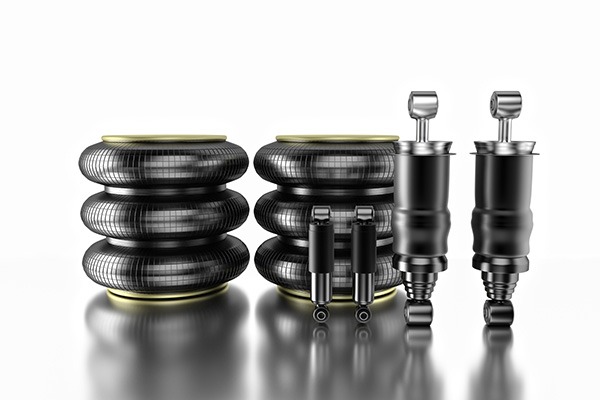
Air springs and air struts are where many owners feel the sting. RepairPal lists GLS550 active suspension air spring replacement around $970 to $1,084, while its Mercedes estimate list shows some models far higher, including E350 air spring replacement above $3,200 and E550 above $4,800 in the displayed estimates. That gap explains why online repair stories sound inconsistent.
A sedan, wagon, coupe, and three-row SUV may all carry the Mercedes badge, but they do not share the same parts cost. Front struts can cost more than rear air bags. ADS-equipped units can cost more than simpler pieces. Dealer-supplied original parts can land far above aftermarket or remanufactured choices.
Mercedes air strut replacement also raises a second question: should you replace one side or both sides on the same axle? A single failed part may be the only broken item, but matching ride height and wear can matter on an older car. The cheapest invoice today can become the second invoice next month.
How Smart Owners Control the Bill Before the Car Drops
Most owners lose money before they authorize the repair. They ignore early signs, accept vague quotes, or buy parts before diagnosis. Air suspension punishes guessing because air moves, leaks travel, and electronic controls react to symptoms rather than owner assumptions.
Used Mercedes ownership needs a suspension fund
A used S-Class or GL can look like a bargain until the first major suspension bill lands. The purchase price may feel friendly because the previous owner already enjoyed the most trouble-free years. You inherit the comfort, but you also inherit the age of rubber, seals, sensors, and compressor cycles.
That does not make the car a bad buy. It means used Mercedes ownership should include a repair reserve before the keys change hands. A buyer who spends every dollar on the purchase price has no defense when the first corner drops after a cold night.
The quiet rule is this: air ride comfort is not free after 80,000 or 100,000 miles. Some cars go longer with minor repairs. Others need bigger work sooner. Mileage matters, but age, climate, road salt, and previous maintenance matter too.
Mercedes air suspension repair starts with better questions
A strong estimate should explain testing, not only parts. Ask whether the shop checked for leaks, measured compressor output, scanned the control module, inspected height sensor data, and reviewed the valve block. A quote that names one part without proving the fault deserves pushback.
Independent Mercedes specialists often help older-car owners balance parts quality and budget. Dealer service may make sense for newer vehicles, warranty questions, software updates, and owners who want original parts without debate. The right choice depends on the car’s value, condition, and how long you plan to keep it.
NHTSA also gives U.S. owners a recall and safety-defect path. The agency says recalls are issued when a manufacturer or NHTSA finds an unreasonable safety risk or failure to meet minimum safety standards, and it lets owners check recalls and report safety problems. That will not turn every AIRMATIC repair into a free fix, but checking your VIN should be part of the process before paying a large invoice.
Choosing the Repair Path Without Regretting It Later
The cheapest fix and the best fix are not always enemies, but they need an honest conversation. Your decision should match the car, not your mood after seeing the estimate. A pristine low-mile GLS deserves a different plan than a tired high-mile E-Class bought as a second car.
OEM, aftermarket, and remanufactured parts each have a place
Original equipment parts carry the cleanest fitment argument, especially when the vehicle is newer or still worth strong money. Aftermarket parts can save cash, but quality varies. Remanufactured parts can be a middle path when bought from a reputable supplier with a clear warranty.
The risky move is buying the cheapest part online and asking a shop to install it without support. Some shops will refuse. Others will install it but not warranty the labor if the part fails. That can create the worst version of the repair: you pay twice and still do not trust the car.
A better approach is to ask the shop for two repair options. One can focus on original parts and longer confidence. The other can focus on value parts with clear tradeoffs. A real specialist will not shame you for having a budget, but they should tell you where saving money crosses into gambling.
Coil spring conversion is not the easy answer for every owner
Some owners consider removing the air system and installing coil springs. That can reduce future air-system bills, especially on an older vehicle with repeated failures. It can also change ride quality, warning behavior, resale appeal, and the character that made the car feel special.
This choice makes the most sense when the vehicle is older, resale value is modest, and the owner wants predictable transportation more than factory ride feel. It makes less sense on a newer S-Class, GLS, or well-kept AMG-line vehicle where originality still supports value.
The honest answer is not romantic. If the car is a keeper and you love how it rides, repair the system correctly. If the car is a budget luxury experiment and the suspension has become a money pit, conversion may protect your wallet. Pride should not write repair checks.
Conclusion
Luxury repair bills feel unfair when they arrive without warning, but most suspension disasters leave clues first. A low corner, longer compressor run time, harsh ride, or repeat warning message deserves attention before the system drags more parts into the fight. Mercedes Benz air suspension ownership works best when you treat comfort as a managed cost, not a permanent gift from the factory. Get a real diagnosis, compare parts paths, check your VIN for recall information, and ask the shop to explain the cause rather than name the most obvious failed part. That single habit can separate a painful repair from a financial mistake. Before approving a large AIRMATIC estimate, collect the evidence, price the options, and decide whether the car still fits your budget with clear eyes.
Frequently Asked Questions
How much does Mercedes air suspension repair cost in the USA?
Most repairs range from several hundred dollars to several thousand dollars, depending on the failed part and model. Compressor work often sits near the lower end compared with multiple struts, valve blocks, or combined leak repairs. Local labor rates can change the bill fast.
What are the first signs of AIRMATIC suspension problems?
Common early signs include one corner sitting low, the vehicle rising slowly after startup, a harsh ride, compressor noise, or a suspension warning on the dash. Overnight sag is a major clue because air leaks often show up while the car is parked.
Can I drive with a Mercedes air suspension warning?
Short local driving may be possible if the vehicle still sits level, but a low or collapsed suspension should not be ignored. Reduced ride height can hurt control, damage other parts, and make bumps harsher. Get the system checked before longer trips.
Why does Mercedes air suspension compressor replacement fail again?
Repeat compressor failure often means the original leak was never fixed. A compressor that runs too often overheats and wears out because it keeps trying to refill a leaking system. The repair should include leak testing, not only a new compressor.
Is Mercedes air strut replacement worth it on an older car?
It can be worth it when the car is clean, well maintained, and still valuable to you. On a rough high-mileage car, replacing several expensive suspension parts may exceed the ownership logic. Compare repair cost against resale value and your long-term plan.
Do independent shops cost less than Mercedes dealerships?
Independent Mercedes specialists often charge less than dealerships for older AIRMATIC repairs, especially when they offer quality aftermarket or remanufactured parts. Dealerships may still be the better choice for warranty issues, software concerns, newer models, or owners who want factory parts only.
Should I replace Mercedes air suspension parts in pairs?
Pair replacement can make sense when both sides are the same age and wear level, especially on the same axle. It is not always required, though. A proper inspection should guide the decision rather than a blanket rule that doubles the invoice.
Can a Mercedes air suspension leak drain the battery?
Yes, it can happen when the compressor keeps running to maintain system pressure. A leak may cause repeated compressor cycling, which can weaken or drain the battery over time. That symptom points to a system problem, not a simple battery issue.