
A small steering part can turn a normal drive into a white-knuckle fight faster than most drivers expect. Worn tie rod end symptoms often start with a faint clunk, a steering wheel that feels loose, or tires that begin to wear in a strange pattern. Many American drivers blame bad roads, aging tires, or a poor alignment first, and that is where the risk creeps in.
Your tie rods connect steering input to front wheel movement, so they do not get the luxury of being “minor” parts. When they wear out, your car may still move, but it stops feeling honest. The wheel may need small corrections on a straight highway, the front end may tap over driveway bumps, and the tires may start telling a story before the steering wheel does.
For drivers who follow practical auto care guides through trusted vehicle maintenance resources, the smartest move is simple: listen early. A tie rod rarely fails without warning, but the warnings can feel ordinary until they become expensive, unsafe, or both.
Tie Rod End Symptoms You Feel Before You See the Damage
Steering problems usually announce themselves through feel before they show up in a clear visual check. That is why many drivers miss the early stage. A worn tie rod does not always scream for attention. Sometimes it whispers through the steering wheel, then waits for highway speed to expose the truth.
Loose steering wheel feel on straight roads
A loose steering wheel can feel like the car needs constant babysitting. You point the wheel straight, but the car drifts slightly left or right, then asks for another small correction. On a city street, that can feel annoying. On a 70 mph interstate, it feels like the car has stopped respecting your hands.
The strange part is that the wheel may not feel sloppy all the time. A worn outer tie rod end can act worse under load, such as during lane changes, braking, or turning into a parking lot. One morning commute through rough asphalt in Chicago or Detroit can make the problem feel worse than it did the day before.
A good shop checks for play by lifting the front end and testing movement at the wheel. You may also feel a soft dead zone near center, where turning the wheel slightly does not produce a clean response. That gap is not personality. It is mechanical looseness asking to be found.
Front end vibration that follows steering input
Front end vibration often gets blamed on tire balance, and sometimes that blame is fair. The mistake is stopping there. A wheel can be balanced and still shake if a worn tie rod allows the tire to flutter instead of tracking cleanly.
The vibration may come through the steering wheel at certain speeds, then calm down when you slow. It may feel sharper when changing lanes or driving across patched pavement. Drivers in states with freeze-thaw road damage know this feeling well. The car hits a rough seam, the wheel shivers, and your hands know something changed before your brain names it.
A tire balance issue usually has a steady rhythm. Tie rod looseness can feel less polite. It may come and go with road surface, steering angle, and braking load. That messy pattern matters because it points toward movement in the steering linkage rather than a simple rotating tire problem.
How Wear Changes Tire Behavior and Alignment
Steering feel gets your attention, but tires often hold the clearest evidence. A tie rod that has loosened can shift toe angle while you drive, which means the tires no longer point where the alignment machine once said they did. That is where the money starts leaking.
Uneven tire wear on the inner or outer edge
Uneven tire wear is one of the most practical clues because rubber does not lie. If one front tire shows feathered tread, cupping, or edge wear that does not match the other side, the steering system deserves a closer look. A tie rod with play can scrub the tire across the road instead of letting it roll cleanly.
This wear can move fast. A driver in Phoenix might notice a mild pull after hitting a curb stop, ignore it for a month, then find the inside edge of a front tire nearly bald. Heat, highway miles, and misalignment make a bad tie rod cost more than the part itself.
The counterintuitive part is that new tires can hide the issue for a short time. Fresh tread feels quiet and stable, so the driver thinks the problem disappeared. Then the new rubber begins wearing into the same ugly pattern. Tires do not cure loose steering parts. They expose them again.
Steering alignment problems after bumps or repairs
Steering alignment problems can return quickly when a worn tie rod remains in the system. You pay for an alignment, the printout looks clean, and the car feels better for a few days. Then the steering wheel sits slightly off-center again, or the car starts wandering on crowned roads.
A proper alignment depends on parts that can hold their position. If the tie rod end has play, the alignment setting becomes a polite guess. The machine may read the wheels correctly while the car sits still, but driving load changes everything.
This is why good technicians check suspension and steering parts before setting toe. A discount alignment that skips inspection can leave you with a receipt instead of a fix. Better to replace the worn part first, then align the car once the front end can hold the numbers.
Sounds and Driving Clues That Point to a Failing Tie Rod
Noises can be tricky because suspension parts share the same neighborhood. Ball joints, sway bar links, struts, control arm bushings, and tie rods can all knock or clunk. Still, tie rod noise has patterns that deserve attention, especially when sound and steering feel appear together.
Clunking noise when turning at low speed
A clunk during low-speed turning often shows up in parking lots, driveways, and tight neighborhood corners. You turn the wheel, weight shifts across the front end, and a dull tap comes from one side. That sound may seem harmless because it happens at low speed. It is not harmless if the steering link has play.
A worn tie rod end can move in its socket when the wheel changes direction. That movement creates a knock as metal loads, unloads, and settles again. The sound may be louder when backing out of a driveway with the wheel turned, because the tire is dragging sideways while the steering linkage changes angle.
Some drivers hear more than one noise and chase the wrong part first. A sway bar link may rattle over bumps, while the tie rod knocks during steering input. The difference sits in timing. Tie rod sounds usually connect to wheel direction and steering load, not random road chatter alone.
Pulling, wandering, and delayed response
A car that wanders can wear you down. You hold the wheel straight, yet the vehicle needs small corrections every few seconds. On rural highways or long suburban commutes, that turns driving into work. Your shoulders tighten, your hands grip harder, and the trip feels longer than the miles.
Delayed response can also appear during quick avoidance moves. The wheel turns, but the front tires react with a slight lag or vague motion. That is the part many drivers underestimate. Tie rods are not comfort parts. They help decide whether your front wheels follow your command when a pickup drops debris in your lane.
The National Highway Traffic Safety Administration’s recall lookup tool can help you check whether your vehicle has open steering or suspension recalls. It will not diagnose wear from age, mileage, potholes, or curb hits, but it gives you one smart safety check before you spend money.
What to Do When the Warning Signs Appear
The right response depends on severity, but delay is rarely your friend. Tie rods usually wear across time, then fail at the worst moment. The goal is not panic. The goal is to separate normal aging from a steering problem that can damage tires, strain other parts, and reduce control.
Safe checks you can do before visiting a shop
A few driveway checks can help you decide how urgent the visit feels. Park on level ground, look at the front tires, and compare tread edges. If one tire looks feathered, scalloped, or more worn on one side, take that clue seriously. You can also note whether the steering wheel sits centered during a straight drive on a flat road.
Listen during slow turns with the radio off. A single clunk from one front corner, paired with loose steering wheel feel, should move the issue higher on your list. Avoid crawling under the car while it rests on a jack. Home checks should guide your decision, not replace a safe inspection.
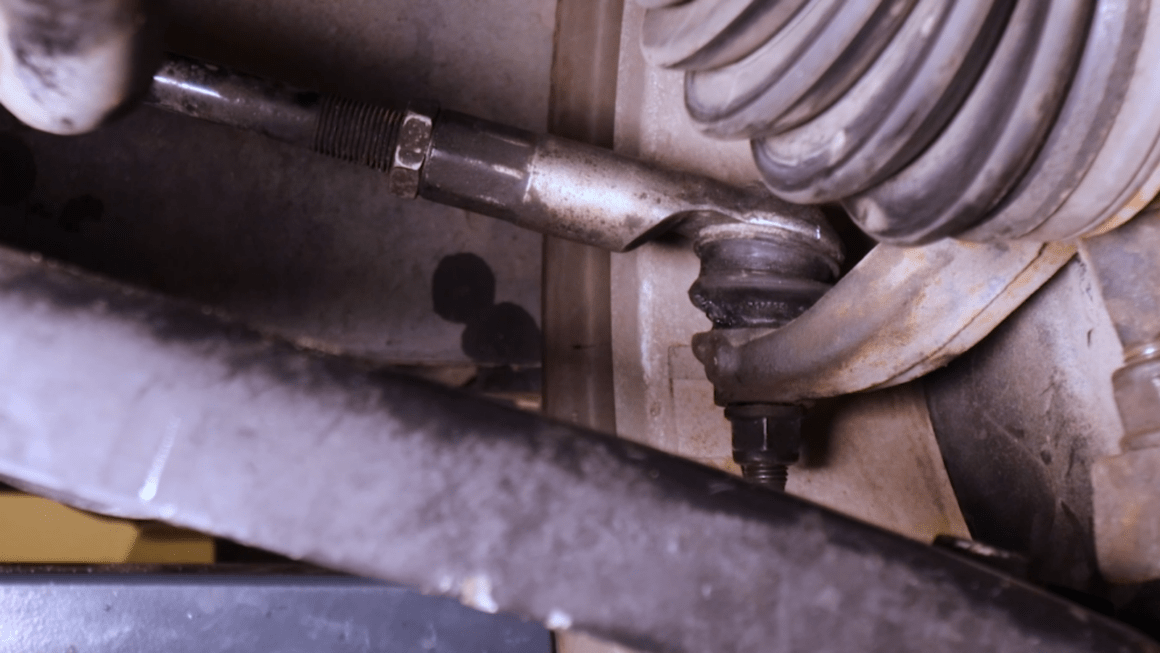
A shop will usually test the wheel for side-to-side play, inspect the outer and inner tie rods, check boots, and look for looseness in nearby parts. Ask for a clear explanation before approving repairs. A trustworthy technician can show movement in the part instead of asking you to accept mystery.
Repair timing, alignment, and tire protection
A worn tie rod should be repaired before an alignment, not after one. Once the part is replaced, the vehicle needs an alignment because tie rod length affects toe. Skipping that step can leave the steering wheel crooked and start a new round of tire wear.
Repair cost varies by vehicle, labor rate, and whether inner or outer tie rods need replacement. A compact sedan in Ohio may cost less than a heavy pickup in California, but the logic stays the same: replace worn steering parts in pairs when inspection supports it, then align the vehicle. Guesswork gets expensive.
Use the repair visit to protect the rest of the front end. Ask the shop to check ball joints, control arm bushings, wheel bearings, and struts while the vehicle is already lifted. You can also connect this article internally with guides like front suspension noise diagnosis and uneven tire wear causes so readers can trace related problems without mixing them together.
Conclusion
Steering problems reward early attention and punish delay. A worn tie rod does not care whether you drive a family SUV, a work truck, or a daily commuter with 160,000 miles on it. Once looseness enters the steering linkage, every mile gives that movement more chances to chew tires, distort alignment, and weaken your control.
The smartest drivers treat worn tie rod end symptoms as a safety conversation, not a repair-shop inconvenience. A small clunk, a vague wheel, or a tire edge that looks wrong can be the first honest warning your car gives you. The fix is not glamorous, but it protects the part of driving that matters most: your ability to point the vehicle exactly where it needs to go.
Schedule a steering and suspension inspection before the next long drive, especially if the car already feels loose, noisy, or uneven on the road. Quiet steering is not a luxury; it is the sound of control staying where it belongs.
Frequently Asked Questions
What are the first signs of a worn tie rod end?
The first signs often include steering looseness, clunking during slow turns, uneven front tire wear, and a slight wandering feeling on straight roads. Some drivers also feel vibration through the steering wheel at certain speeds, especially after hitting rough pavement or potholes.
Can I drive with a bad tie rod for a short time?
Driving with a bad tie rod is risky because the part helps control wheel direction. If the steering feels loose, the car wanders, or you hear clunking while turning, avoid highway trips and get the vehicle inspected as soon as possible.
How does a tie rod affect wheel alignment?
A tie rod controls toe angle, which determines whether the front tires point straight ahead. When the part wears, that angle can shift while driving. The result is poor tracking, steering wheel off-center issues, and faster tire wear.
Why does my steering wheel feel loose after hitting a pothole?
A hard pothole hit can damage or loosen steering and suspension parts, including tie rods. If the steering changed right after the impact, the vehicle needs an inspection. The problem may involve alignment, a bent component, or looseness in the steering linkage.
Do bad tie rods cause uneven tire wear?
Bad tie rods can cause uneven tire wear because they allow the wheel angle to move instead of staying fixed. This often creates feathering, edge wear, or rapid tread damage on the front tires. New tires will wear the same way if the part is not repaired.
How much does tie rod end replacement usually cost?
Cost depends on the vehicle, labor rates, and whether inner or outer tie rods need replacement. Many repairs also require a wheel alignment afterward. The part itself may be modest, but labor and alignment can raise the final bill.
Should tie rods be replaced in pairs?
Pairs are often recommended when both sides show age, play, torn boots, or similar mileage wear. One bad side does not automatically prove the other has failed, but replacing both can prevent repeat labor and alignment costs soon after the first repair.
What happens if a tie rod end breaks while driving?
A broken tie rod can make one front wheel lose steering control, which can cause sudden pulling or loss of directional control. This is a serious safety failure. Any strong looseness, knocking, or wandering should be inspected before the vehicle is driven farther.