
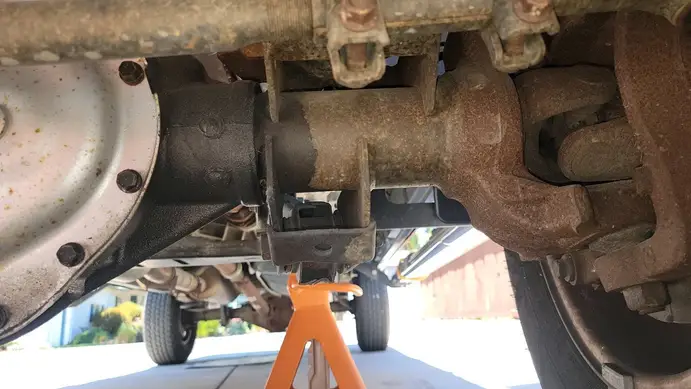
A small wet spot near a Wrangler wheel can turn a weekend trail plan into a garage problem fast. When a Jeep Wrangler develops an axle seal leak, the issue is not only messy gear oil on metal parts; it can also point to pressure, wear, bearing trouble, or a repair done in the wrong order. Many U.S. Jeep owners first notice it after highway driving, winter slush, rock crawling, or a lift install that changed driveline angles and exposed tired parts. For readers who follow practical auto repair guides and trusted maintenance insight, the smart move is to treat the leak as evidence, not as a random nuisance. Gear oil usually travels before it drips, so the stain you see may not show where the failure began. A Wrangler axle is tough, but it is not magic. Heat, grit, clogged vents, worn bearings, and careless seal installation can beat a strong housing over time. The fix starts with knowing what type of leak you have before buying parts.
Why Wrangler Axle Seals Leak Before the Obvious Damage Shows
Most axle seal trouble starts quietly because the seal is hidden, the fluid moves slowly, and the axle housing throws oil across parts that already look dirty. That is why owners often blame brake dust, mud, or road grime before they realize the axle is losing fluid. The first lesson is simple: location matters more than the size of the drip.
Wrangler Differential Fluid Leak Signs You Should Not Ignore
A Wrangler differential fluid leak often announces itself through smell before it shows a clean puddle. Gear oil has a sharp sulfur odor, and once it hits a warm brake rotor or parking brake hardware, the smell can hang around the wheel well after a drive. On a JK or JL parked in a suburban driveway, that odor may be the first hint that the axle has been throwing oil for days.
The visual clue depends on the axle end. A front inner seal may leave oil running down the inside of the tire sidewall, around the lower ball joint area, or along the axle tube near the inner C. A rear seal often leaves wet backing plates, damp parking brake shoes, or streaks inside the wheel. Clean the area first, then drive a short loop, because old grime tells stories badly.
Small leaks deserve respect because axle fluid level drops in a sealed housing with no dashboard warning. The differential gears do not need drama to suffer; they need heat, low oil, and time. A teaspoon on the floor can mean a larger mist pattern behind the wheel after highway speed.
Front Axle Seal Repair Clues Hidden Near the Inner C
Front axle seal repair on many Wrangler solid front axles is more involved than a casual owner expects. The seal sits inside the axle tube near the differential, not at the outer wheel end. That means oil can travel down the tube before appearing at the knuckle, which makes the visible leak look far away from the failed seal.
This design creates a common trap. Someone sees oil near the wheel and buys outer parts, but the real seal lives deeper inside the housing. On many Dana front axles, the axle shafts must come out, and the differential carrier may need removal to access the inner seals. That is not a scary job for a prepared technician, but it punishes guesswork.
Trail use adds another wrinkle. Mud, sand, and creek crossings can push grit into places that a daily commuter never challenges. A Wrangler that spends weekends in Moab-style dust or Appalachian mud may leak not because the seal was weak, but because the axle tube became a slow conveyor belt for abrasive dirt.
How an Axle Seal Leak Starts Inside a Wrangler Axle
An axle seal leak rarely appears because one rubber lip woke up and failed. The seal is often the victim, while pressure, shaft movement, heat, or contamination is the cause. If you replace only the wet part and ignore the reason it failed, the new seal may start leaking before the next oil change.
Clogged Axle Vents Create Pressure Where Seals Lose
Axle housings need to breathe as fluid heats and expands. A vent hose or breather cap lets pressure escape, which keeps the seals from acting like pressure relief valves. When that vent clogs with mud, rust flakes, or packed trail dust, heat has nowhere to go.
This is common on Jeeps that see water crossings or muddy forest roads. A driver may wash the body and tires well, yet leave the axle vent packed with debris. Later, highway heat builds pressure inside the housing, and the easiest exit becomes a seal lip that was never meant to hold back internal force.
The counterintuitive part is that a new seal can fail faster than an old one if the vent remains clogged. Fresh rubber cannot fix trapped pressure. Before blaming the part brand or the installer, pull the vent hose, check the fitting, and make sure air can pass through it.
Rear Axle Seal Symptoms That Point Beyond the Seal
Rear axle seal symptoms can look like a simple oil leak, but they often point to bearing or shaft problems. If the axle shaft has play, a worn bearing lets the shaft move in a way the seal cannot follow. The lip wears unevenly, and fluid escapes along the polished surface.
A bent shaft can create the same headache. It does not need to wobble like a cartoon wheel to ruin a seal. A small bend from a hard rock hit, curb strike, or previous accident can make the seal work against a moving target every time the wheel rotates.
Brake contamination raises the stakes. Gear oil on rear brake shoes or parking brake parts can reduce braking grip and leave a smell that does not wash away. On a family Wrangler used for school runs during the week and trails on Saturday, that leak becomes more than a garage stain.
Diagnosing the Leak Before You Start Replacing Parts
Good diagnosis saves money because Wrangler axle work can grow from a seal job into bearings, shafts, brakes, and differential service. The goal is not to find the wettest part. The goal is to understand the path the oil took and the condition that pushed it there.
Jeep Axle Seal Replacement Checks Before Parts Come Off
Jeep axle seal replacement should begin with a clean housing, a fluid level check, and a short test drive. Use brake cleaner carefully around metal surfaces, keep it off painted parts where possible, and let everything dry. Then drive enough to warm the axle, not enough to spread fresh oil everywhere.
A white paper towel test helps more than guesswork. Wipe the suspected area and look at the color and smell. Gear oil feels slick and smells strong. Brake fluid feels different and often points to a hydraulic issue, not an axle seal. Power steering fluid or engine oil can travel along frame parts and confuse the picture.
Check the differential cover too. A cover leak can blow backward and coat the axle tube, making it look like a seal problem. After a cover service, excess sealant, loose bolts, or uneven gasket seating may send oil outward. A leak near the cover is a cheaper fix than pulling shafts, so rule it out first.
When a Lift, Locker, or Trail Hit Changes the Diagnosis
Wranglers attract upgrades, and upgrades can expose weak points. Bigger tires add rotating weight. Lockers increase traction and shock load. A lift can change how the axle lives under the Jeep, especially when paired with hard wheeling and uneven trail impacts.
None of that means modified Jeeps are doomed to leak. It means diagnosis needs context. A stock two-door Wrangler used around Phoenix has a different life than a four-door Rubicon on 37-inch tires that spends weekends crawling granite. The seal may be the same style, but the stress story is not the same.
A hard trail hit can also scar the axle shaft surface where the seal rides. That polished surface must stay smooth. If it has grooves, rust pits, or a raised nick, a new seal lip may cut itself during installation or leak after a few miles. The cheapest seal becomes expensive when the shaft surface gets ignored.
Fixing the Leak the Right Way Without Creating a Second Problem
Repair quality matters because axle seals do not forgive rushed work. A crooked seal, dirty tube, wrong fluid level, or skipped vent check can turn a proper repair into a repeat job. The best repair feels slow at first because it solves the whole system, not only the wet spot.
Front Axle Seal Repair Steps That Separate Clean Work From Comebacks
Front axle seal repair usually starts with safe support, wheel and brake removal, axle shaft removal, and careful access through the differential side. Many Wrangler front axle seals sit inside the housing, so the differential carrier may need to come out. Marking bearing caps and keeping parts in order matters because the differential does not appreciate careless mixing.
Cleaning the axle tubes is the part many rushed repairs skip. Dirt inside the tube can ride along the axle shaft during reassembly and tear the new seal. A tube brush, clean rags, and patience can prevent the kind of comeback that makes owners swear at a part that never had a fair chance.
Seal depth and alignment matter too. Driving a seal in crooked can distort the lip. Using the wrong tool can damage the outer shell. Add a thin film of clean gear oil on the sealing lip before shaft installation, then guide the shaft through without dragging splines across the new rubber. That small bit of care pays rent.
Jeep Axle Seal Replacement Choices for Rear Axles
Jeep axle seal replacement at the rear depends on the axle design and model year. Some setups place the seal and bearing at the axle end, while others require a different service path. The repair plan should match the axle under the Jeep, not a random forum post from a different generation.
Rear work often includes brake inspection because oil contamination spreads fast. Parking brake shoes, backing plates, and rotors may need cleaning or replacement depending on how much oil escaped. Saving oily friction material is false economy. It can chatter, smell, or lose bite when you need it most.
Fluid refill is not the victory lap; it is part of the repair. Use the correct gear oil spec for the axle and differential type. Limited-slip units may need the right additive depending on design. Overfilling can push oil out again, while underfilling invites gear heat. The fill plug tells a better story than a guess from a bottle count.
Preventing Repeat Leaks After the Repair Holds
A repaired axle should not be treated as finished until the Jeep has been driven, checked, and watched through a few heat cycles. Seal jobs fail early when the cause remains in place. Prevention is less exciting than the repair, but it is where money stays in your pocket.
Wrangler Differential Fluid Leak Prevention After Trail Use
A Wrangler differential fluid leak is easier to prevent when post-trail checks become routine. After mud, water, or deep sand, inspect the axle tubes, vents, cover edges, and wheel backs. You do not need a shop lift for the first look. A flashlight and clean rag catch plenty.
Water crossings deserve extra attention. If the axle cools fast in water, it can pull moisture through weak vents or seals. Milky fluid means water got inside, and that fluid needs service before bearings and gears live in a bad bath. Waiting until noise appears is the expensive route.
Breather hoses should sit high enough for the way the Jeep is used. A mall crawler does not need the same setup as a Wrangler that sees riverbeds in Colorado or muddy hunting trails in Georgia. Match the vent routing to the life the vehicle actually lives.
Rear Axle Seal Symptoms After Repair That Need a Second Look
Rear axle seal symptoms after a repair should fade, not linger. A small amount of leftover oil can drip from hidden pockets after cleaning, but fresh wetness after repeated drives needs attention. Mark the cleaned area with a paint pen or take photos, then compare after each drive.
Noise changes matter too. A hum, growl, or rhythmic scrape after a seal job may point to bearing issues, brake contamination, or incorrect reassembly. The leak might be gone while another problem remains. That is why a test drive should include low-speed turns, light braking, and highway speed if the Jeep is safe.
A good repair also respects torque values and hardware condition. Brake caliper bolts, bearing retainers, differential cover bolts, and wheel lugs all matter. The axle seal is small, but it lives inside a system that depends on clean assembly and steady clamping force.
Conclusion
A Wrangler gives you more mechanical honesty than many vehicles, and that is part of its charm. When something leaks, squeaks, or smells off, the Jeep usually leaves clues before it leaves you stranded. The job is to read those clues without jumping at the first wet part you see.
The best fix for an axle seal leak starts with pressure checks, clean diagnosis, shaft inspection, bearing awareness, and correct reassembly. Replacing the seal alone may work when the seal was the only failure, but that is not the assumption to build a repair around. Gear oil at the wheel is a message from the axle, and the message deserves more than a quick parts swap.
Treat the repair like a system, especially if your Wrangler runs larger tires, sees winter road salt, or spends weekends off pavement. Clean it, confirm it, fix the cause, then recheck it after real driving. Your next step is simple: inspect the leak path before ordering parts, because the right diagnosis is the repair that saves the second repair.
Frequently Asked Questions
What causes a Jeep Wrangler axle seal to start leaking?
Heat, clogged axle vents, worn bearings, damaged axle shafts, old seal lips, and contaminated axle tubes can all cause leaks. The seal may be the visible failure, but pressure or shaft movement often creates the condition that makes the seal fail.
Can I drive my Jeep Wrangler with a leaking axle seal?
Short local driving may be possible if the leak is small and fluid level stays safe, but it is risky. Gear oil loss can damage bearings and differential gears. Oil on brake parts can also reduce braking grip, so inspection should happen soon.
How do I know if the front inner axle seal is leaking?
Look for gear oil near the inner C, lower knuckle area, axle tube end, or inside of the front tire. A strong gear oil smell helps confirm it. Clean the area first, then drive and inspect again for fresh oil.
Is a rear axle seal leak dangerous on a Wrangler?
It can become dangerous when gear oil reaches brake shoes, rotors, or parking brake parts. Braking may feel normal at first, but contaminated friction material can lose grip or smell under heat. Fix the leak and inspect the brakes.
How much work is involved in replacing Wrangler front axle seals?
Many Wrangler front axle seals sit inside the axle housing near the differential. The axle shafts usually come out, and the differential carrier may need removal. The job requires careful marking, clean tools, and proper seal installation.
Why does my new axle seal keep leaking after replacement?
Repeat leaks usually mean the root cause was missed. Common causes include a clogged axle vent, grooved shaft surface, worn bearing, bent shaft, dirty axle tube, crooked seal installation, or incorrect fluid level after the repair.
Should I replace bearings when fixing a Wrangler axle seal?
Bearings should be inspected every time. Replacement makes sense if there is play, noise, roughness, heat damage, or oil contamination around the bearing area. Installing a new seal beside a worn bearing often leads to another leak.
What gear oil should I use after fixing a Wrangler axle leak?
Use the viscosity and specification recommended for your Wrangler’s axle, model year, and differential type. Limited-slip differentials may need the correct additive. Avoid guessing, because wrong fluid or wrong fill level can create heat, chatter, or another leak.