
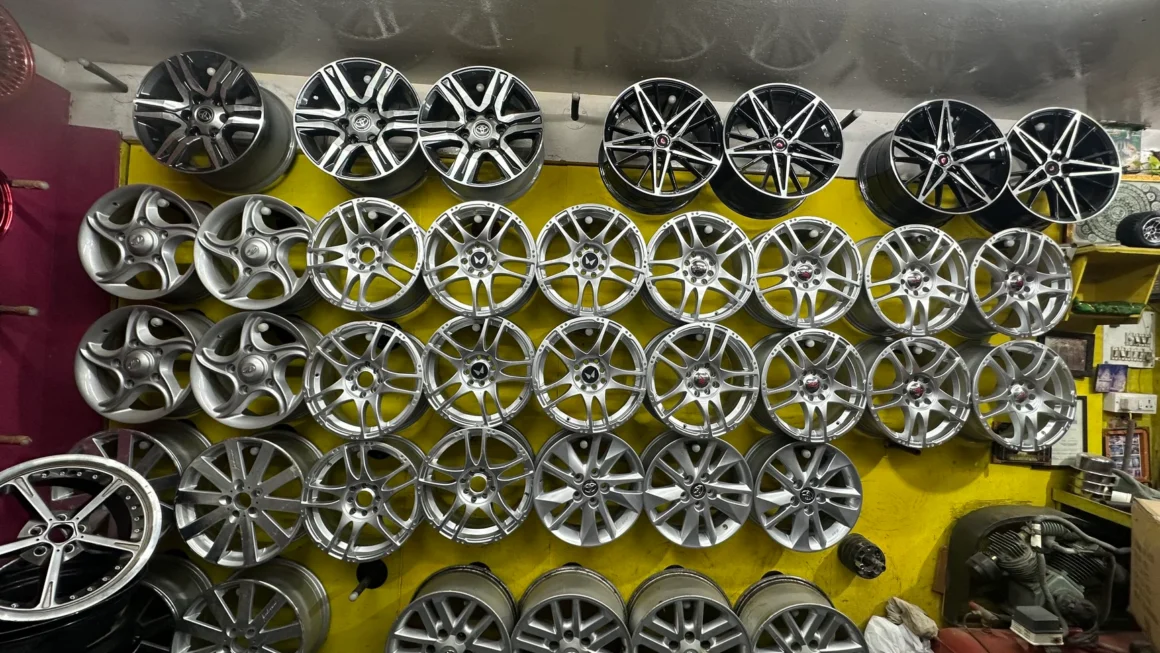
Restoring wheels is no longer just about appearance it’s about safety, performance, and long-term value. Custom wheel repair and refinishing has become an essential service for drivers who want to maintain both the look and structural integrity of their vehicles. From curb rash and corrosion to bent rims and faded finishes, modern restoration techniques can bring wheels back to near-original condition.
Companies like Rolling Arts Group specialize in high-quality wheel restoration solutions that combine precision, craftsmanship, and advanced refinishing technology. In this guide, we’ll break down how custom wheel repair and refinishing works, why it matters, and what to look for when choosing a professional service provider in 2026.
What Is Custom Wheel Repair and Refinishing?
Custom wheel repair and refinishing refers to the process of restoring damaged, worn, or cosmetically compromised wheels to a like-new or custom-designed finish. It goes beyond simple cosmetic touch-ups and often involves structural correction, surface restoration, and protective coating application.
This service is commonly used for alloy wheels, OEM rims, and aftermarket custom wheels. The goal is to restore both appearance and performance while extending the life of the wheel.
Key objectives include:
- Repairing physical damage such as bends, cracks, or curb rash
- Restoring factory or custom finishes
- Improving corrosion resistance
- Enhancing overall vehicle aesthetics
Unlike standard repainting, professional refinishing uses specialized equipment and materials designed for durability and precision.
Common Types of Wheel Damage
Understanding wheel damage helps drivers recognize when custom wheel repair and refinishing is necessary.
1. Curb Rash
One of the most common issues, curb rash occurs when a wheel scrapes against a curb, causing visible scuffs and gouges.
2. Bent or Dented Wheels
Potholes and road impacts can bend the rim, leading to vibration, uneven tire wear, and handling issues.
3. Corrosion and Oxidation
Exposure to moisture, salt, and harsh weather can cause oxidation, especially on unprotected alloy surfaces.
4. Scratches and Paint Peeling
Over time, factory coatings can deteriorate, leading to peeling paint and surface scratches.
5. Cracks
Severe impacts may cause structural cracks, which require immediate professional attention for safety reasons.
Each of these issues requires a different level of repair, but all can typically be addressed through professional refinishing services.
Custom Wheel Repair and Refinishing Process Explained
The custom wheel repair and refinishing process is highly technical and requires precision at every stage. Professional shops follow a structured workflow to ensure durability and safety.
Step 1: Inspection and Assessment
Technicians evaluate the wheel for structural damage, surface defects, and finish condition. This determines whether repair or replacement is needed.
Step 2: Cleaning and Stripping
Old coatings, dirt, and contaminants are removed using chemical stripping or media blasting to expose the raw surface.
Step 3: Structural Repairs
If the wheel is bent or damaged:
- Hydraulic straightening machines correct deformation
- Crack repairs may involve welding and reinforcement
- Precision measurement ensures OEM tolerances are restored
Step 4: Surface Refinishing
Once structural integrity is confirmed, the wheel undergoes refinishing:
- Sanding and smoothing imperfections
- Applying primer and base coat
- Custom color matching or OEM finish replication
Step 5: Protective Coating
A clear coat or powder coat is applied to protect against corrosion, UV damage, and road debris.
Step 6: Curing and Final Inspection
Wheels are heat-cured and inspected for balance, finish quality, and safety compliance.
This step-by-step process ensures both aesthetics and performance are fully restored.
Techniques Used in Modern Wheel Restoration
Today’s custom wheel repair and refinishing industry uses advanced techniques to achieve high durability and precision results.
Powder Coating
A popular finishing method that applies dry powder electrostatically and cures it under heat. It offers superior resistance to chips and corrosion.
CNC Wheel Machining
Computer-controlled machining restores precise OEM-style finishes and diamond-cut patterns with extreme accuracy.
Wheel Straightening
Hydraulic machines correct bends caused by potholes without compromising structural integrity.
Media Blasting
Removes old paint and corrosion efficiently, preparing the wheel for refinishing.
Color Customization
Drivers can choose custom finishes such as matte black, gloss bronze, metallic silver, or color-matched OEM coatings.
These techniques allow technicians to restore wheels to factory condition or create fully customized designs.
Benefits of Custom Wheel Repair and Refinishing
Investing in custom wheel repair and refinishing offers several practical and financial benefits:
- Improved safety: Restores structural integrity for safer driving
- Cost savings: More affordable than full wheel replacement
- Enhanced appearance: Restores showroom-quality finish
- Increased resale value: Well-maintained wheels improve vehicle appeal
- Corrosion protection: Extends wheel lifespan
- Customization options: Enables unique styling choices
For many drivers, refinishing is the most efficient way to maintain both performance and aesthetics without replacing expensive OEM wheels.
How to Choose a Professional Wheel Repair Shop
Not all repair services offer the same level of expertise. When selecting a provider for custom wheel repair and refinishing, consider the following factors:
1. Experience and Specialization
Choose a shop that focuses specifically on wheel repair rather than general automotive services.
2. Equipment and Technology
Look for advanced tools such as CNC machines, hydraulic straighteners, and powder coating systems.
3. Quality Control Standards
A reputable shop performs thorough inspections and balancing after repairs.
4. Finish Options
The ability to match OEM finishes or provide custom designs is a sign of technical capability.
5. Customer Reviews and Portfolio
Before-and-after examples and verified feedback help assess reliability.
A professional provider should clearly explain their process and offer transparent service expectations.
Maintenance Tips After Wheel Refinishing
After investing in custom wheel repair and refinishing, proper maintenance helps preserve results:
- Wash wheels regularly with non-acidic cleaners
- Avoid harsh chemicals or abrasive brushes
- Clean brake dust buildup frequently
- Inspect for new damage after rough road conditions
- Apply protective sealants if recommended
Routine care helps maintain both appearance and durability over time.
Why Choose Rolling Arts Group for Wheel Refinishing
When it comes to precision-driven custom wheel repair and refinishing, expertise and craftsmanship matter. Rolling Arts Group focuses on delivering high-quality wheel restoration solutions tailored to both everyday drivers and automotive enthusiasts.
Their approach emphasizes:
- Detailed damage assessment before repair
- Advanced refinishing techniques for consistent results
- Attention to OEM and custom finish accuracy
- Structural safety checks for long-term reliability
By combining technical skill with modern equipment, they provide restoration services that balance appearance, safety, and durability. Whether dealing with curb rash, corrosion, or bent rims, their process is designed to restore wheels with precision and care.
Final Thoughts
Custom wheel repair and refinishing is more than a cosmetic upgrade it’s a critical maintenance service that protects vehicle performance, safety, and long-term value. With today’s advanced repair methods, damaged wheels no longer need to be replaced; they can often be fully restored to like-new condition.
For drivers seeking professional results and lasting quality, choosing an experienced specialist like Rolling Arts Group ensures that every wheel receives the attention it deserves. As road conditions continue to challenge wheel durability, expert refinishing remains one of the most practical and cost-effective solutions available in 2026.